The Eastbourne Academy Design & Technology — A Year 9 handbook built around practical making, sustainability, and technical design skills
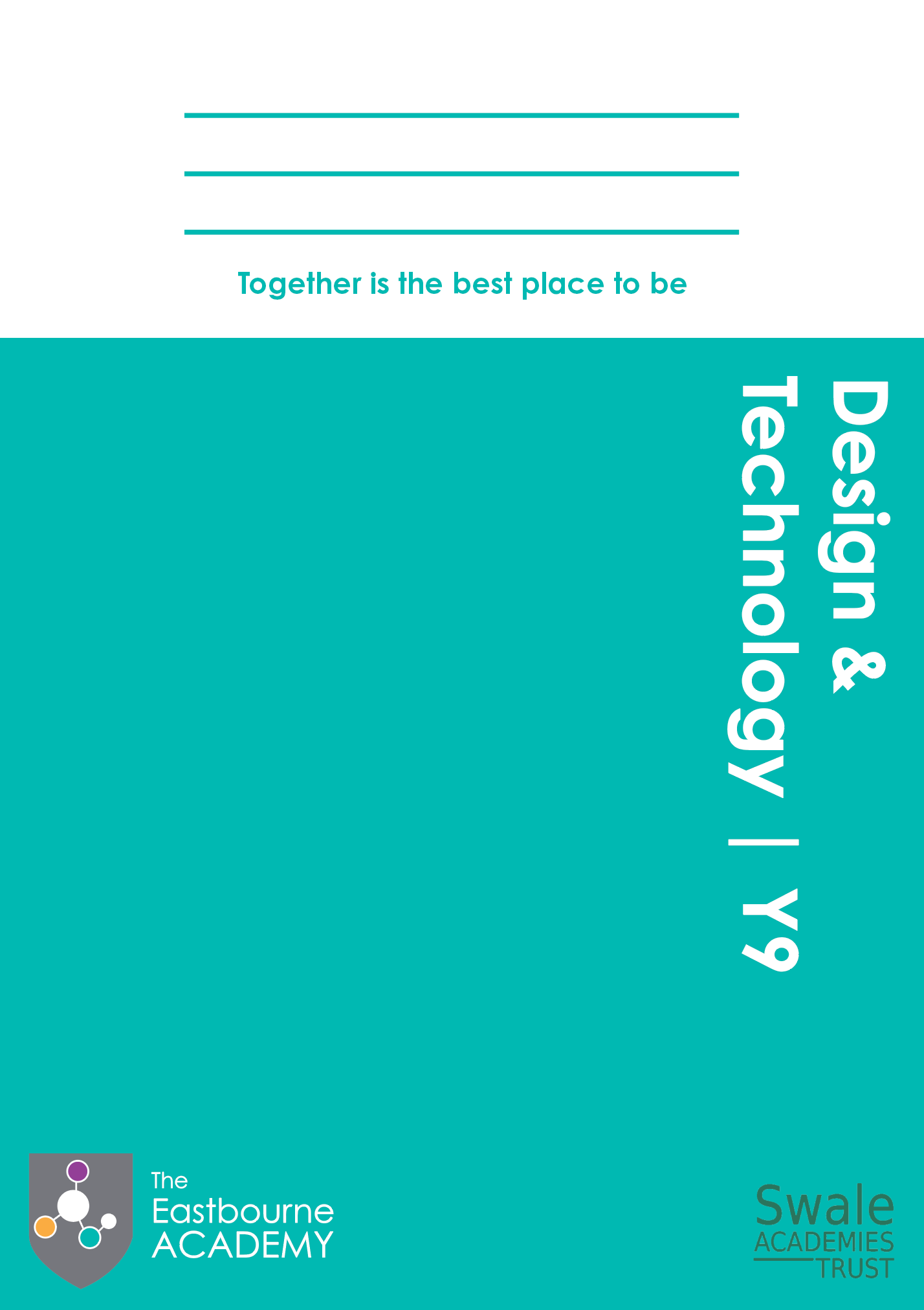
A Year 9 Design & Technology handbook for students at The Eastbourne Academy — combining classroom routines, project-based learning, technical drawing guidance, sustainability concepts, engineering principles, and design evaluation tools in one structured resource designed to support practical making, creative thinking, and independent design development across the year.
The brief
The Eastbourne Academy wanted a Year 9 Design & Technology handbook that would support both practical workshop learning and the theoretical knowledge needed to underpin successful design work. The book needed to guide students through architectural modelling, sustainable product design, and mechanisms while reinforcing technical vocabulary, design evaluation, and classroom expectations. The aim was to create a handbook students could use both during lessons and as an ongoing design reference throughout the year.
What we designed
Working with the academy, we developed a project-led Design & Technology handbook that combines technical knowledge, design theory, workshop processes, and structured assessment guidance in one place.
A “TEA Way” student activity spread — a full-page visual routine map explaining the structure of learning in every lesson, from classroom entry and silent starter tasks through to guided practice, independent work, review, challenge activities, and exit routines. The consistent visual format reinforces whole-school expectations while supporting independent learning habits.
A classroom rules spread — a visual checklist covering silent entry, seating, equipment preparation, lesson transitions, and dismissal expectations. Simple icons and concise instructions create consistency across practical classroom environments.
A project-based curriculum structure — organised around three substantial practical units: (Post) Modern Architecture, the Eco Lamp Project, and Mechanisms. Each project combines practical manufacture with design thinking, evaluation, and contextual understanding so students experience the full design process from concept through to prototype.
An architecture and modelling project — where students develop architectural models inspired by Modernist and Postmodernist design movements. The project introduces technical drawing methods including Third Angle Orthographic, isometric and perspective drawing, alongside CADCAM and laser-cutting processes used to manufacture model components. Students also explore how political and historical events influenced architectural movements and building aesthetics.
A sustainability-focused Eco Lamp project — challenging students to design and manufacture an energy-efficient LED lamp using recycled materials. The project introduces concepts such as Life Cycle Analysis (LCA), polymers, electronic components, and thermoforming while encouraging students to consider environmental impact and material reuse within product design.
A mechanisms and engineering unit — exploring pulleys, linkages, triangulation, tension, compression and mechanical advantage through practical model making. Students learn how structures and mechanisms create movement and reliability while developing functional prototypes and engineered solutions.
An end-point tracking page — listing all Year 9 Design & Technology end points with space to record whether students are “Working Towards” or “On or Above” expected standards. This provides a simple framework for self-assessment and progress monitoring across practical and theoretical skills.
Subject-specific vocabulary and technical reference pages — including dedicated keyword banks for architecture, sustainability, electronics, and mechanisms. These pages define technical processes and specialist terminology such as orthographic drawing, thermoforming, triangulation, torsion, manufacturing and aesthetics, helping students build confidence in using accurate design language.
An ACCESS FM evaluation spread — a full-page design analysis framework guiding students to evaluate products through aesthetics, cost, customer, environment, safety, size, function and materials. The page supports structured design thinking and encourages students to justify design decisions in detail.
Literacy and presentation support pages — including SPaG marking codes and presentation guidance covering handwriting, layout, labelling and organisation of work. These pages reinforce accuracy, presentation standards, and cross-curricular literacy expectations.
The finished book
The completed Year 9 Design & Technology handbook gives students a single resource for technical knowledge, practical project work, evaluation, and workshop expectations. Combining visual reference material, structured project guidance, and subject vocabulary helps students develop both creative confidence and technical precision throughout the year. The books were printed using an alcohol-free process with water-based varnish and vegetable-based inks, with carbon-balanced production and delivery.
Flip through the finished book
Building something for your school?
Tell us what you need and we’ll come back within two business days with options.
Request a quoteMore case studies

Milton Keynes College — A cross-curricular workbook built around literacy, numeracy, and effective feedback
A bespoke workbook for Milton Keynes College — combining literacy and numeracy reference pages, command-word guidance, feedback frameworks, and reflective learning prompts in one structured resource designed to strengthen independent learning, study skills, and student progress across courses.
Milton Keynes College — A GCSE English workbook built around progress tracking, literacy, and exam preparation
A bespoke GCSE English workbook for Milton Keynes College — combining progress tracking, SMART targets, literacy-reference pages, and exam-skills support in one structured resource designed to help learners build confidence and achieve success in GCSE English.
Milton Keynes College — A Functional Skills English workbook built around target setting, practical writing, and learner progress
A bespoke Functional Skills English workbook for Milton Keynes College — combining progress tracking, SMART targets, practical writing guidance, and literacy support in one structured resource designed to help learners build confidence and succeed in Functional Skills English.