The Eastbourne Academy English — A Year 9 English handbook built around literary study, writing craft, and structured end-point progression
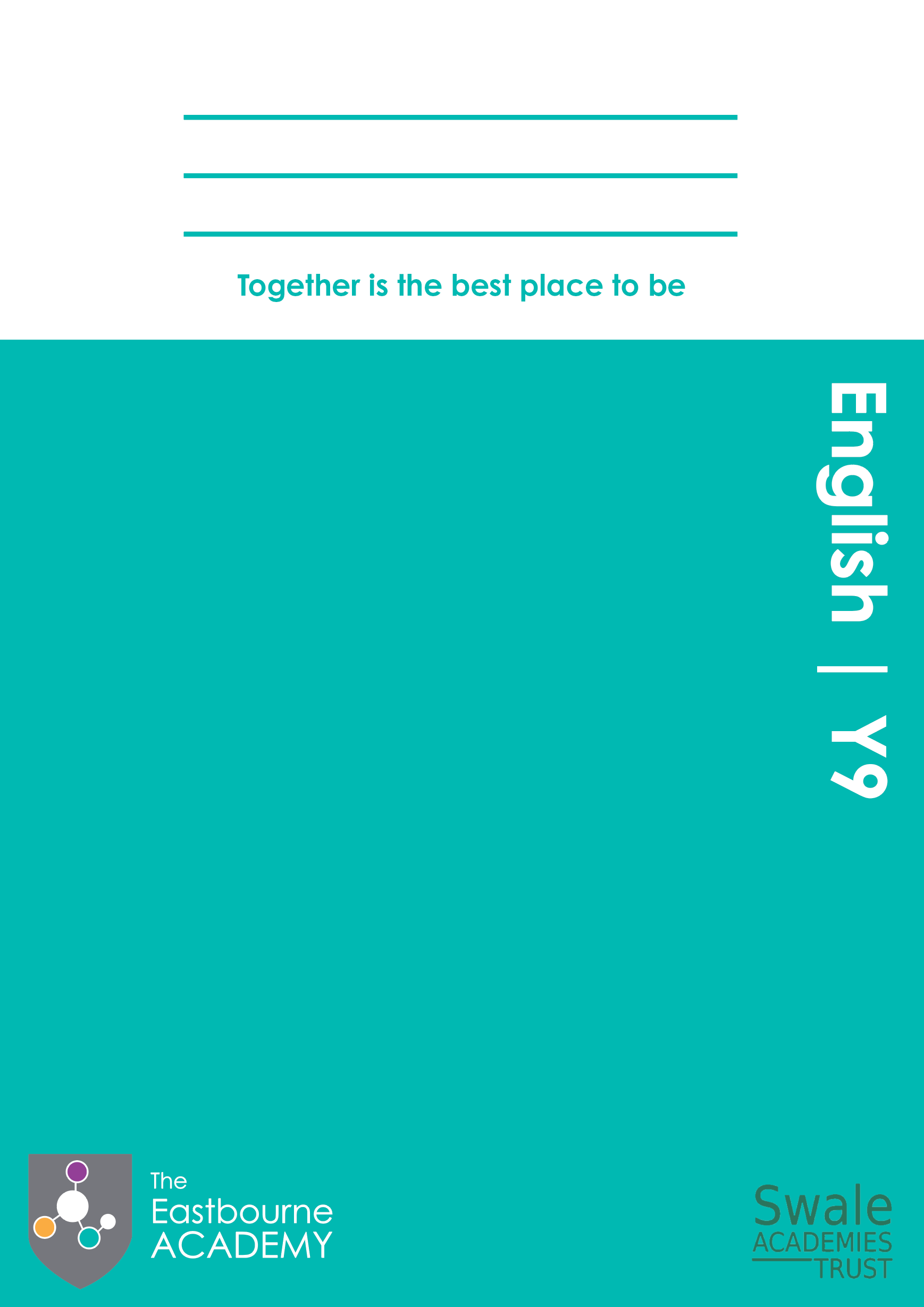
A Year 9 English handbook for students at The Eastbourne Academy — combining classroom routines, literary study guides, writing and speaking end points, language-analysis support, literary terminology banks, and literacy guidance in one structured resource designed to support confident reading, analytical writing, and independent revision across the year.
The brief
The Eastbourne Academy wanted a Year 9 English handbook that would support both classroom consistency and the increasing academic demands of Key Stage 3 English. The book needed to help students develop analytical reading, confident writing, and spoken communication skills while giving them a clear overview of the texts, concepts and assessment expectations they would encounter during the year. The handbook also needed to reinforce the academy’s routines and literacy expectations across every lesson.
What we designed
Working with the academy, we developed a structured English handbook that combines curriculum planning, literacy support, revision guidance, and literary reference material in one place.
A “TEA Way” student activity spread — a full-page visual guide outlining the structure of learning in every lesson, from classroom entry and “Do it now” activities through to guided practice, independent work, review, challenge tasks, and exit routines. The consistent visual language and icon-led layout reinforce whole-school expectations while helping students understand how lessons are organised.
A classroom rules spread — a simplified visual checklist covering silent entry, seating, equipment, lesson transitions, and dismissal routines. The clear panel layout and iconography help establish consistency and support calm classroom practice.
A curriculum roadmap organised by thematic and literary study — including units such as Villains, Monsters and Wicked Deeds, Macbeth, Write Around the World, Powerful Voices in Poetry, and Noughts and Crosses. Each unit introduces students to different genres, writers, contexts and perspectives while progressively developing analytical and creative writing skills.
Detailed end-point descriptors for reading, writing and speaking — each unit is built around clearly defined end points covering quotation retrieval, inference, contextual understanding, analysis of writer’s methods, comparative writing, vocabulary development, grammar, punctuation, and spoken communication. The progression model gives students and teachers a shared language for assessment and improvement across the year.
Extended writing and assessment guidance throughout — every unit includes a substantial assessed outcome, from analytical essays on Macbeth and poetry comparison to creative descriptions, news reports, and narrative writing inspired by studied texts. These tasks help students apply literary understanding in both analytical and imaginative forms of writing.
An end-point tracking section — a dedicated spread listing the Year 9 English end points with space to record whether students are “Working Towards” or “On or Above” expected standards. The page supports ongoing monitoring and helps students identify areas for development across reading, writing and spoken language.
A literary terminology and analysis reference bank — several spreads introducing students to a wide range of literary devices and analytical vocabulary, including metaphor, juxtaposition, anaphora, foreshadowing, personification, semantic fields, and rhetorical techniques. Alongside definitions and examples, the handbook also provides banks of analytical verbs and comparative connectives to support more sophisticated academic writing.
Writing and literacy support pages — including grammar reminders, punctuation guidance, common spelling corrections, SPaG marking codes, and presentation expectations. These pages reinforce accuracy and editing routines while supporting whole-school literacy approaches.
The finished book
The completed Year 9 English handbook gives students a single reference point for literary study, analytical writing, literacy support and classroom expectations. Structured progression, accessible reference materials, and consistent visual design help students build confidence as readers, writers and speakers while supporting independent revision and retrieval throughout the year. The books were printed using an alcohol-free process with water-based varnish and vegetable-based inks, with carbon-balanced production and delivery.
Flip through the finished book
Building something for your school?
Tell us what you need and we’ll come back within two business days with options.
Request a quoteMore case studies

Milton Keynes College — A cross-curricular workbook built around literacy, numeracy, and effective feedback
A bespoke workbook for Milton Keynes College — combining literacy and numeracy reference pages, command-word guidance, feedback frameworks, and reflective learning prompts in one structured resource designed to strengthen independent learning, study skills, and student progress across courses.
Milton Keynes College — A GCSE English workbook built around progress tracking, literacy, and exam preparation
A bespoke GCSE English workbook for Milton Keynes College — combining progress tracking, SMART targets, literacy-reference pages, and exam-skills support in one structured resource designed to help learners build confidence and achieve success in GCSE English.
Milton Keynes College — A Functional Skills English workbook built around target setting, practical writing, and learner progress
A bespoke Functional Skills English workbook for Milton Keynes College — combining progress tracking, SMART targets, practical writing guidance, and literacy support in one structured resource designed to help learners build confidence and succeed in Functional Skills English.