The Eastbourne Academy Science — A KS4 science handbook built around routines, end points, revision checklists, and GCSE success
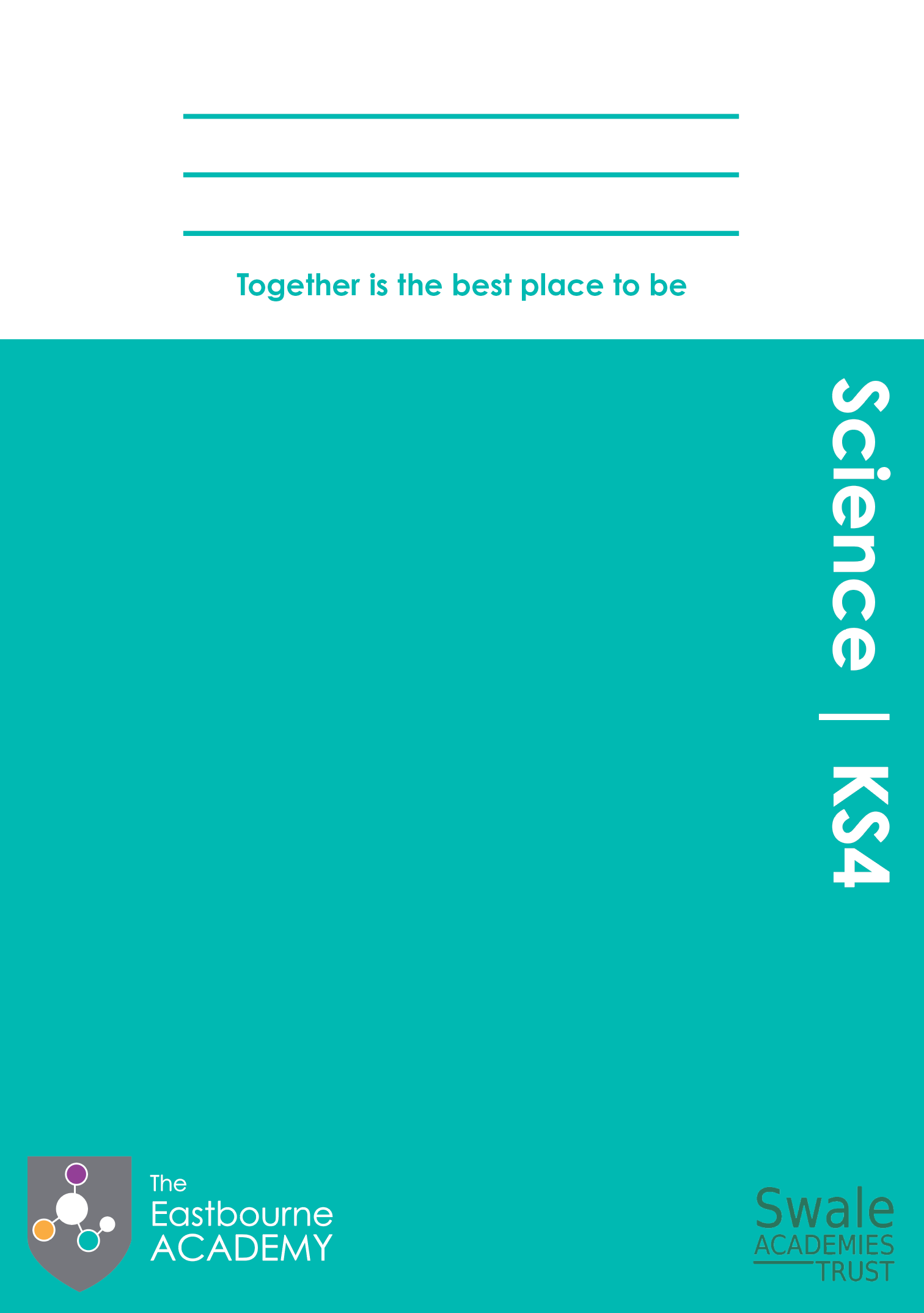
A KS4 science handbook for students at The Eastbourne Academy — combining clear classroom routines, curriculum roadmaps, end-point tracking, GCSE formula and command-word reference pages, and subject checklists across Biology, Chemistry and Physics, all wrapped in a bold visual identity designed to support consistency, independence and revision throughout Key Stage 4.
The brief
The Eastbourne Academy wanted a science handbook that would do more than act as an exercise book. The aim was to create a structured KS4 companion that reinforced classroom expectations, mapped out curriculum content, and supported students with independent revision and exam preparation across Biology, Chemistry and Physics. The book needed to reflect the academy’s routines and teaching approach while giving students practical reference material they could return to throughout the year.
What we designed
Working with the academy, we developed a visually consistent science handbook that combines behaviour routines, curriculum sequencing, revision tools, and GCSE reference content in one place.
A “TEA Way” student activity spread — a full-page visual routine map explaining lesson expectations from classroom entry through to exit. The spread breaks learning into clear stages including “Do it now”, “Learning talk”, guided practice, independent practice, review, challenge, and “Know it show it”, all supported with icons and colour-coded sections to reinforce consistent classroom behaviour and learning habits.
A dedicated classroom rules page — a simplified visual checklist showing expectations for entering the room, equipment, seating, silent starts, dismissal and transitions between lessons. The layout uses large icons and concise instructions so routines are easy to revisit and consistently applied.
Curriculum overview and end-point pages — structured unit maps outlining what students will learn across topics such as photosynthesis, electricity and magnetism, respiration, energetics, genetics and evolution. Each unit includes clearly defined “Key End-points”, extended writing expectations, assessment content, and practical skill focuses so students understand both the knowledge and disciplinary skills they are expected to secure.
An end-point tracking section — a progress-monitoring spread listing numbered end points with space for teachers or students to record whether content is “Working Towards” or “On or Above”. This creates a simple reference point for monitoring understanding and identifying gaps across the course.
GCSE science reference pages — a bank of quick-reference material designed to support revision and retrieval practice, including AQA GCSE Physics equations and formula sheets, command-word definitions, and periodic table reference pages. These spreads give students easy access to the technical vocabulary and mathematical content needed across the GCSE course.
Biology, Chemistry and Physics revision checklists — detailed topic-by-topic checklists covering the full GCSE specification areas, from atomic structure and quantitative chemistry through to waves, ecology, homeostasis and electricity. The checklist layouts provide a clear revision structure and allow students to self-assess confidence across each subject area.
Literacy and presentation support pages — including a SPaG marking code and presentation policy spreads that reinforce expectations around written accuracy, organisation and book presentation. These pages support whole-school literacy and encourage students to take pride in their work.
The finished book
The final KS4 science handbook gives students a single place for routines, curriculum guidance, revision support and exam preparation. Strong visual layouts, structured checklists, and repeated reference tools help create consistency across lessons while encouraging independent study habits and long-term retrieval of key scientific knowledge. The books were printed using an alcohol-free process with water-based varnish and vegetable-based inks, with carbon-balanced production and delivery.
Flip through the finished book
Building something for your school?
Tell us what you need and we’ll come back within two business days with options.
Request a quoteMore case studies

Milton Keynes College — A cross-curricular workbook built around literacy, numeracy, and effective feedback
A bespoke workbook for Milton Keynes College — combining literacy and numeracy reference pages, command-word guidance, feedback frameworks, and reflective learning prompts in one structured resource designed to strengthen independent learning, study skills, and student progress across courses.
Milton Keynes College — A GCSE English workbook built around progress tracking, literacy, and exam preparation
A bespoke GCSE English workbook for Milton Keynes College — combining progress tracking, SMART targets, literacy-reference pages, and exam-skills support in one structured resource designed to help learners build confidence and achieve success in GCSE English.

Milton Keynes College — A Functional Skills English workbook built around target setting, practical writing, and learner progress
A bespoke Functional Skills English workbook for Milton Keynes College — combining progress tracking, SMART targets, practical writing guidance, and literacy support in one structured resource designed to help learners build confidence and succeed in Functional Skills English.